My Story
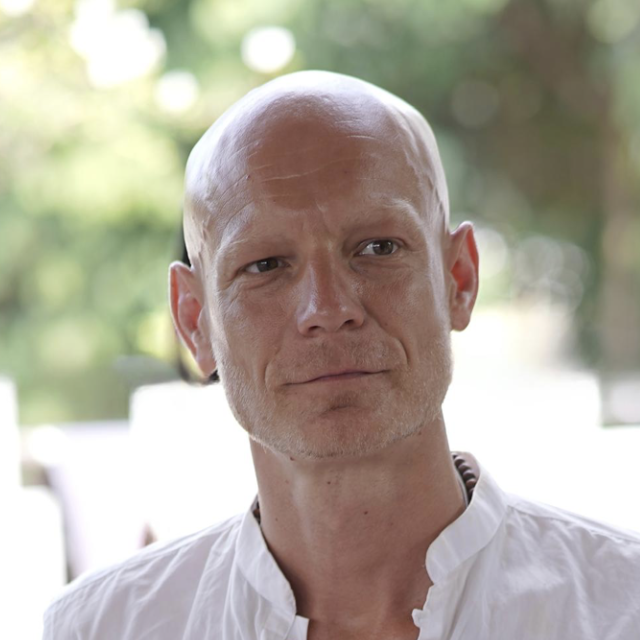
My professional background is rooted in mainstream education. I began my career as a primary school teacher in 2008, having already spent several years working with young people through charities and individual support roles. Over time, I progressed into leadership and eventually became a headteacher. Throughout this period, I was deeply motivated by a desire to make education more humane, meaningful, and genuinely supportive of children’s long-term wellbeing. As my career progressed I came to understand wellbeing, deep learning, and academic progress as mutually reinforcing, and my work in schools was grounded in a rigorous pedagogical understanding of how people learn, integrating care and support.
Alongside my work in schools, I had been navigating my own experiences of stress and mental ill health. While this initially fuelled my commitment to education and care, I later came to understand that part of my drive was shaped by an unhelpful tendency to prioritise responsibility over sustainability. This realisation did not diminish my sense of purpose, but it did prompt a deeper inquiry into how change — personal and systemic — actually takes place.
In 2014, while teaching Philosophy for Children lessons on the nature of happiness, I was first introduced to mindfulness meditation. Initially, I approached it as a practical method that could support children’s emotional regulation and resilience. However, during the same period, my own mental health declined, and meditation gradually became less of a professional interest and more of a personal necessity.
Over the following years, meditation became a consistent thread in my life. I completed multiple mindfulness-based courses, trained to deliver mindfulness programmes in schools, and continued practising independently. While medication and therapy played important roles at different stages, meditation proved to be the most reliable foundation for long-term change. It offered not a quick solution, but a way of relating differently to difficulty — with more awareness, steadiness, and self-responsibility.
At the same time, I began to notice the limitations of how mindfulness was often presented in educational settings. Many children found sitting still challenging, and attempts to introduce meditation without adequate preparation or understanding were frequently ineffective. This led me to explore complementary practices — particularly movement, breathwork, and somatic approaches — that could support nervous system regulation and make stillness more accessible, especially for those who struggled with traditional seated practice.
As the pressures of leadership increased, and following the loss of a close friend, I experienced another period of burnout and depression in 2021. This time, however, I was better equipped. Rather than attempting to push through, I focused on recovery and reflection. It became clear that while I still cared deeply about education, I was working within a system whose structures, incentives, and language often conflicted with my values. Despite holding leadership responsibility, I lacked the autonomy to implement the kind of integrated, preventative approach to wellbeing and learning that I believed was needed.
Stepping away from my established career path was a significant decision, but it allowed space for clarity. During this period, I attended a residential retreat at Plum Village, where I encountered mindfulness not as a technique, but as a way of living — embedded in everyday activities, relationships, and work. This experience marked an important shift in my understanding. Meditation was no longer something to be applied selectively, but a foundation that could inform how we teach, learn, communicate, and lead.
From this point, my focus became clearer: to bring together education and contemplative practice in a way that was grounded, realistic, and applicable to real-world contexts. I became increasingly interested in how unconscious learning takes place — how habits of thought, behaviour, and communication are shaped not just by what we teach, but by how we teach and how we relate to one another. This inquiry continues to inform my work and my writing.
To support this direction, I trained as a breathwork and meditation instructor and completed a yoga teacher training, combining these studies with practical teaching experience in a range of settings, including international schools. Working closely with students in the classroom reinforced what I had already begun to understand: that learning, behaviour, and wellbeing are inseparable, and that safety, presence, and clarity in adults are central to creating environments where young people can thrive.
I am now based in the UK, working across education and individual wellbeing. My work includes teaching yoga, breathwork, and meditation to individuals and groups, providing educational consultancy and tutoring, and continuing to write about unconscious learning, stress, and sustainable change. Across all of this, my approach is deliberately down to earth — informed by modern psychology and neuroscience, while also drawing on the practical wisdom of longstanding contemplative traditions.
I do not see education and meditation as separate domains. Both are concerned, at their core, with how human beings learn, adapt, and relate — to themselves, to others, and to the challenges they face. My aim is to support change that is realistic, integrated, and lasting, whether in a classroom, a school, or an individual life.
Authenticity, curiosity, and compassion guide my work, alongside a commitment to clarity, responsibility, and practical impact.